Crypto Romance Scam Story: I Thought I Found a Relationship, But Lost $246,000

Story Summary
- Jason, a 38-year-old from North Carolina, met someone online and developed a close connection over several months.
- Crypto investing was introduced gradually as part of everyday conversations.
- Small deposits turned into larger investments as trust grew.
- By the time Jason became suspicious, he had transferred approximately $246,000.
- Withdrawal requests led to delays, changing explanations, and additional requirements.
- A portion of the funds was eventually traced and recovered after a blockchain investigation.
"The Investment Didn't Fool Me First. The Relationship Did."
My name is Jason, and I'm 38 years old. Over time, I transferred roughly $246,000 into what I believed was a legitimate crypto trading platform. The investment seemed successful, the account balance kept growing, and I trusted the person who introduced me to it. Everything changed when my withdrawal requests started running into delays, reviews, and new requirements that never seemed to end.
The relationship began long before money entered the picture. We talked every day about work, family, travel, and everyday life, which made the connection feel genuine. By the time cryptocurrency came up, trust had already been established. The platform looked professional, customer support was responsive, and nothing gave me a reason to believe either the relationship or the investment was part of a larger scam.
Looking back, the relationship created the trust that made the investment feel safe.
Crypto Came Into The Conversation Slowly
For the first few weeks, investing rarely came up. When cryptocurrency was eventually mentioned, it felt casual rather than promotional. She talked about her experience with crypto trading and occasionally shared screenshots, but there was never any pressure to participate.
Over time, I became more curious and started asking questions. She introduced me to a trading platform that looked professional, complete with charts, account statistics, transaction histories, and customer support. Everything appeared legitimate, which made it easy to believe I was making my own decision.
The investment opportunity felt like a suggestion from someone I trusted, not a sales pitch.
Small Deposits Turned Into Bigger Ones
I began with a relatively small deposit. The funds appeared in my account quickly, and the balance started growing almost immediately. The gains looked realistic, which made the platform feel even more credible.
Over several months, I continued investing. Sometimes I added a few thousand dollars, other times more. Looking back, there was never a single moment when I decided to risk $246,000. Instead, there were dozens of smaller decisions that each seemed reasonable based on what I believed at the time.
Large losses often start with a series of decisions that feel completely logical on their own.
The First Time I Tried To Withdraw
Up to that point, nothing had challenged my confidence. The platform appeared to work, my account balance kept growing, and customer support responded whenever I had questions.
Everything changed when I submitted a withdrawal request. After an initial delay, support claimed additional verification was required. Then new issues appeared, including compliance reviews, account restrictions, and potential tax obligations. Each explanation sounded believable enough to keep me waiting, but the withdrawal never moved forward.
Every explanation sounded reasonable until I looked at the entire pattern.
Trying To Convince Myself Everything Was Fine
I didn't immediately recognize what was happening. For a while, I convinced myself there was a technical issue, an administrative delay, or some requirement I had overlooked. Accepting the alternative was difficult because it meant admitting that both my money and trust had been misplaced.
At the same time, the relationship started changing. Replies became shorter, questions received vague answers, and conversations that once felt personal became noticeably different. I noticed those changes, but I kept searching for explanations that didn't involve fraud.
The more invested I became, the harder it was to accept what was right in front of me.
The Realization Didn't Happen All At Once
One evening, I started researching withdrawal issues on crypto platforms. That search led me to discussions about romance scams, fake trading platforms, and stories that sounded remarkably familiar.
For the first time, I stopped viewing the relationship and the investment as separate parts of my life. The pattern suddenly became clear. Not long after I stopped sending money and started asking difficult questions, communication faded rapidly. The platform remained online, and the account balance was still visible, but I no longer believed any of it.
Seeing the relationship and the investment together changed how I understood the entire situation.
Looking For Answers
After accepting what had happened, I gathered transaction records, wallet addresses, screenshots, emails, and communication history to understand where the money had gone. I wasn't looking for guarantees. I wanted answers and a clearer picture of what had happened behind the scenes.
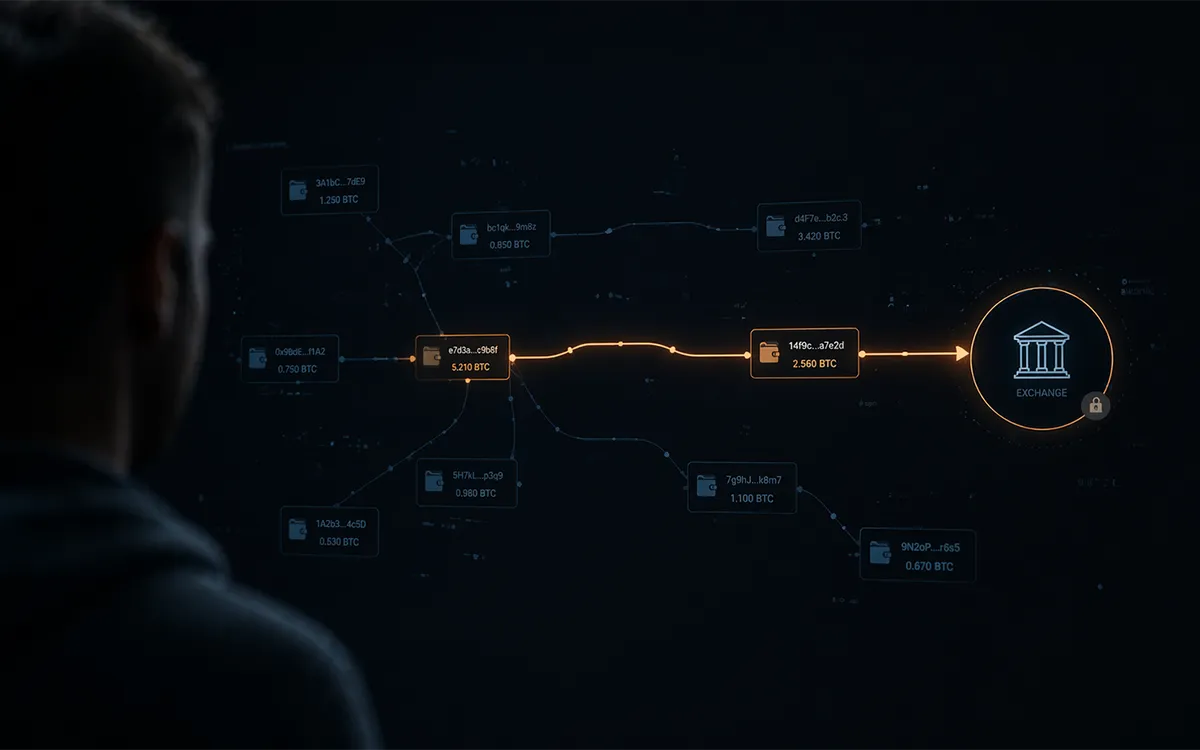
During that process, I came across Capx Recovery. They reviewed the information I had saved and focused on tracing transactions and analyzing wallet activity. Although the funds had already moved through multiple wallets and destinations, enough of the transaction trail remained visible to reconstruct a decent portion of what had happened. Over time, a portion of the funds was traced and ultimately recovered, which made a meaningful difference.
Understanding where the money went helped turn uncertainty into something tangible.
Looking Back Now
The financial loss was difficult, but the hardest part wasn't the money. What stays with me is how normal everything felt while it was happening. There wasn't a dramatic moment where someone suddenly demanded money or revealed their intentions.
Instead, the situation unfolded gradually through hundreds of ordinary conversations that built trust over time. That's why it took so long to recognize what was happening. When I look back now, I don't think about one major mistake. I think about how trust was established little by little until the investment felt completely natural.
The relationship created trust. The investment simply took advantage of it.