Fake Crypto Dashboard Scam: $120,000 on Screen, But the Money Was Never There

Story Summary
- Kevin, a 43-year-old from Denver, deposited roughly $70,000 into what appeared to be a legitimate crypto trading platform.
- The account balance steadily increased and eventually showed more than $120,000.
- Problems started when withdrawal requests triggered reviews, verification requests, and ongoing delays.
- After researching the platform, Kevin found complaints from other investors describing nearly identical experiences.
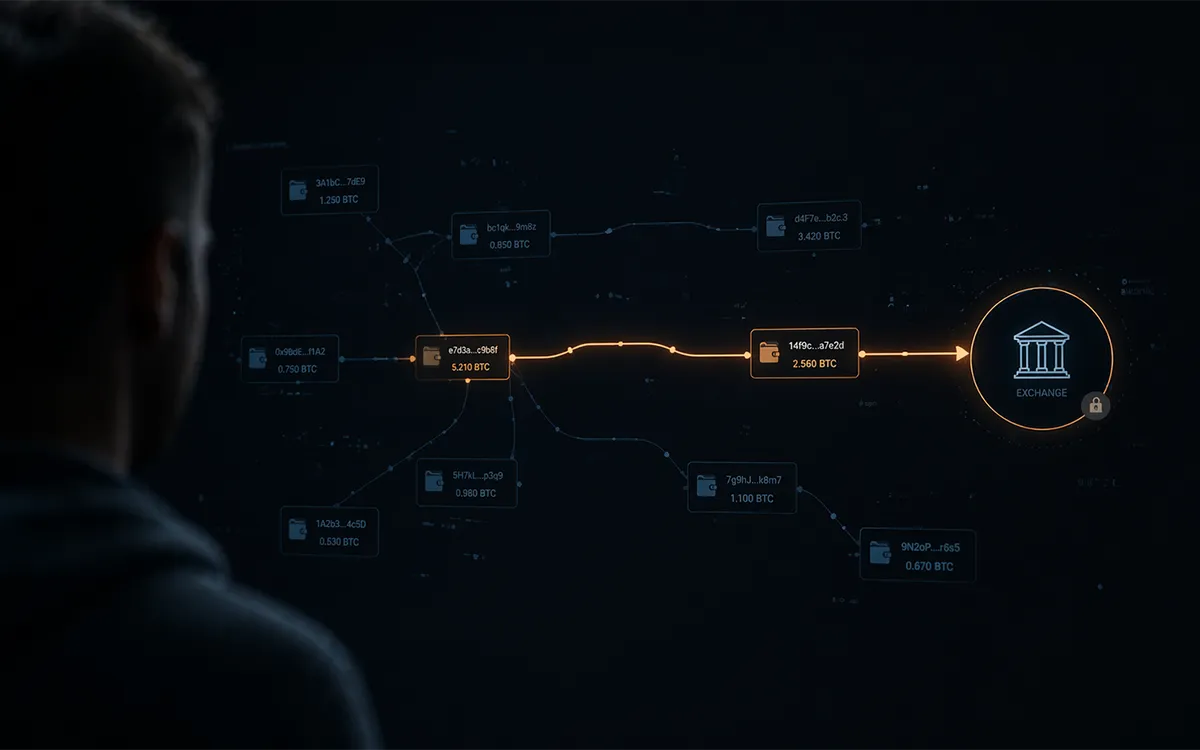
- Transaction tracing later showed that the profits displayed on the dashboard were not backed by actual assets.
- The original deposits could be tracked, but the $120,000 balance existed only inside the platform.
"I Thought I Had $120,000. The Hard Part Was Finding Out I Never Did."
My name is Kevin. I'm 43 and live in Denver. Over time, I deposited roughly $70,000 into what appeared to be a legitimate crypto investment platform. The account eventually showed a balance of more than $120,000, and for months I believed the investment was performing exactly as expected. That belief started to unravel when I tried to withdraw some of the funds.
I found the platform through a social media post and spent weeks researching it before investing. The website featured account reports, trading activity, performance charts, and a support team that always seemed ready to help. The steady account growth and professional presentation made everything feel credible, which is why I never questioned whether the balance reflected real assets.
The deposits were real. The balance I spent months trusting was not.
It Felt Like a Smart Decision
When I signed up, the platform looked exactly like what I expected from a legitimate investment company. It featured account reports, trading activity, performance charts, and a support team that responded whenever I had questions. To test it, I started with a deposit of $4,000.
The account quickly showed modest gains, and the growth appeared steady and believable. Over the following months, I continued investing in smaller amounts until I had transferred roughly $70,000. By then, the dashboard showed a balance of more than $120,000, making it feel like the investment was finally paying off.
The account balance looked so convincing that I stopped questioning whether it reflected real assets.
The Withdrawal Changed Everything
Eventually, I decided to withdraw a portion of the funds. I wasn't trying to close the account—I simply wanted to move some profits into my bank account and confirm that withdrawals worked as expected.
Instead, the request remained pending. Support explained that additional verification was required, which seemed reasonable at first. But after I completed one requirement, another appeared. Explanations ranged from compliance reviews to account restrictions and withdrawal approvals. Individually, they sounded plausible. Together, they created an endless cycle of delays.
Every time one issue was resolved, a new reason appeared to keep the withdrawal on hold.
I Kept Looking for Another Explanation
For weeks, I convinced myself there had to be a legitimate reason for the delays. The platform still looked professional, support continued responding, and I had spent months watching the account grow. Accepting that it might be a scam wasn't easy.
Eventually, I started researching the platform more thoroughly. I found complaints, reviews, and discussions from people describing the same experience. Deposits worked without issue, account balances increased, and problems only started when users attempted to withdraw money. That's when I stopped believing it was a temporary technical problem.
The stories I found online matched my situation far too closely to ignore.
Trying to Figure Out What Was Real
Once I realized something was seriously wrong, I gathered transaction confirmations, wallet addresses, screenshots, account records, emails, and chat conversations. At that point, my goal wasn't just recovery—I wanted to understand what had actually happened.
During that process, I came across Capx Recovery. They reviewed the information I had saved and helped trace the movement of the funds I had deposited. The transfers leaving my wallets could be identified and followed. What couldn't be found were transactions that supported the profits displayed on the platform dashboard.
The deposits were real and traceable. The profits shown on screen were another story entirely.
The Balance Was Never What I Thought It Was
For months, I watched the account balance climb from around $80,000 to more than $120,000. After seeing those numbers repeatedly, I treated them as real. Even when withdrawal issues started, I assumed the money existed and that some administrative problem was preventing access.
What I eventually learned was difficult to accept. The deposits I sent were real, but the profits displayed on the dashboard weren't tied to actual assets or trading activity. I thought I was watching an investment grow. In reality, I was watching numbers on a screen that created the illusion of growth without representing real funds.
The hardest realization wasn't that I couldn't access the money—it was discovering that much of it never existed in the first place.